


3 Ohio Species With Halloween Colors
From monarch butterflies to the American burying beetle, meet three orange-and-black critters found in Ohio and learn how conservation efforts are helping to protect them.

Across the state fall color can be seen all around, from leaves changing to crops being harvested and in Halloween decor celebrating the spooky season. Some of Ohio’s smallest critters show their fall spirit year-round with the colors on their backs. This month, the U.S. Fish and Wildlife Service is highlighting threatened or endangered species that fit the season’s aesthetic with their orange-and-black appearance. Learn more about these festive colored species and how they are being protected.
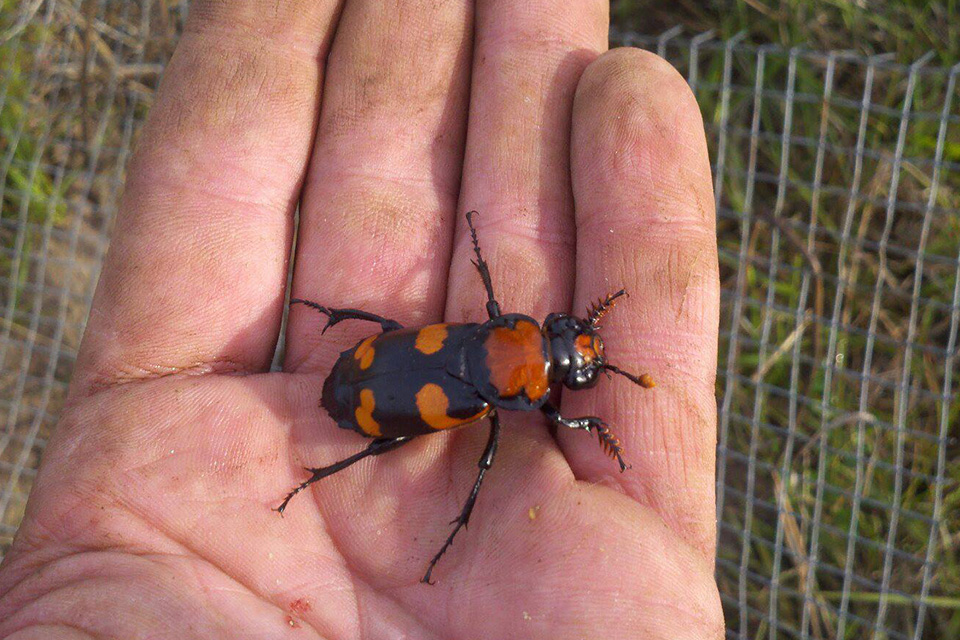
American Burying Beetle
Some say that these large North American beetles resemble jack o’ lanterns with their slick black bodies and bright orange markings. If you’re not a fan of bugs, these critters are sure to creep you out with their bodies measuring up to 1.8 inches long and their thin, spiky legs.
American burying beetles are scavengers meaning they locate small dead animals, bury them underground and use them to nourish their young. In this process, nutrients are recycled back into the soil while pest insects, including flies, are kept away.
The beetles were once much more common in the eastern and central United States, but the population has dwindled due to risks such as habitat loss or alteration and artificial lights that affect most populations. Conservation efforts from the Cincinnati Zoo and the Ohio State University prepared eight breeding pairs and discovered 283 larvae developing inside the containers earlier this year. Those beetles matured before being released on June 23 at The Wilds in southeastern Ohio, where researchers and volunteers will monitor how the insects adapt and survive in the wild.
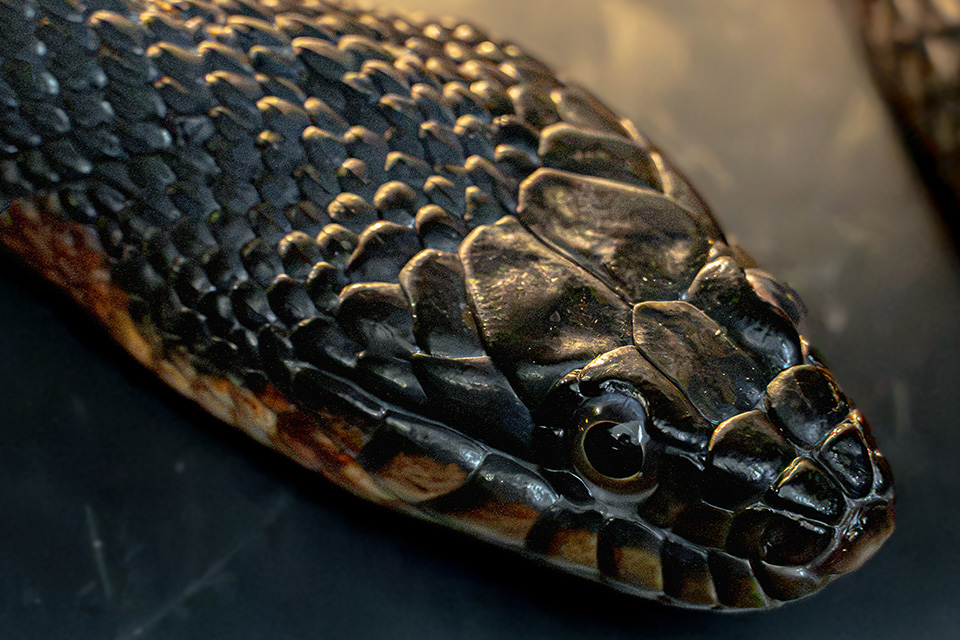
Copperbelly Water Snake
Once known to slither along the floors of shallow wetlands and connected forests in northwestern Ohio and other Great Lakes regions, the copperbelly water snake is rare and nonvenomous with a black body and bright orange underbelly. These vibrant (and harmless) creatures can grow to be three to five feet in length, and surely impart a spooky feeling, especially if you already have a fear of snakes.
According to the U.S. Fish and Wildlife Service, populations of copperbelly water snakes began to decline sharply in the mid and late 1900s due to habitat loss, degradation and fragmentation. The species has been designated as threatened since 1997.
In 2020, a partnership with the Toledo Zoo established a captive breeding program to help the population rebound and eventually be reintroduced to the wild. Since then, 17 juvenile copperbelly snakes have been successfully released, with another 10 expected to be reintroduced to the wild in 2027.
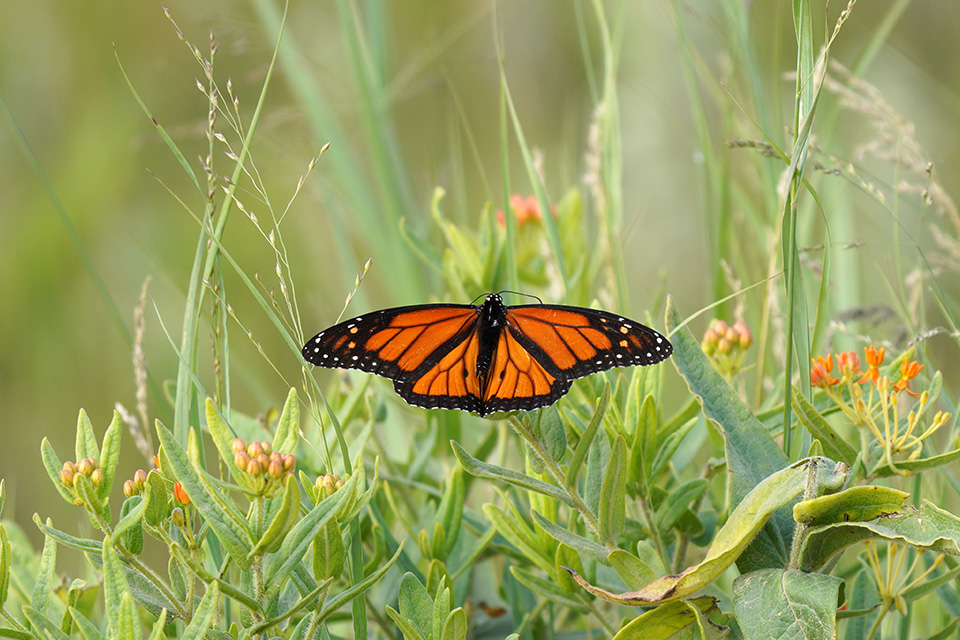
Monarch Butterfly
One of the most iconic insects in North America, monarch butterflies are instantly recognizable for their orange wings with black veins and a black boarder. While these critters are hardly creepy, monarchs are synonymous will fall migration and their colors perfectly complement the season.
The monarch butterflies seen in Ohio are of the eastern North American migratory population. According to the U.S. Fish and Wildlife Service, this population encompasses upwards of 70% of total North American monarchs. In the fall, these butterflies travel upwards of 2,000 miles to Mexico.
Over the last 20 years, monarch populations have been declining prompting state and government agencies, along with non-government entities, to take steps to preserve the species. In 2024, the U.S. Fish and Wildlife Service proposed to list the monarch butterfly as a threatened species under the endangered species act, which is still under review.
For more Ohio outdoor inspiration, sign up for our Ohio Magazine newsletters.
Ohio Magazine is available in a beautifully designed print issue that is published 7 times a year, along with Spring-Summer and Fall-Winter editions of LongWeekends magazine. Subscribe to Ohio Magazine and stay connected to beauty, adventure and fun across our state.
Related Articles

8 Haunted Attractions in Ohio for Halloween Thrills
From haunted schoolhouses and prisons to eerie caves and wooded trails, these eight Ohio attractions deliver Halloween thrills and chills. READ MORE >>

Experience ‘Murder in the Mansion’ at Stan Hywet Hall & Gardens This October
Visit the Akron estate for a 1920s-themed interactive, theatrical experience staged throughout the historic Manor House. READ MORE >>

Visit Marietta’s Haunted Mansion This Fall
The Anchorage Mansion offers a slew of ghostly stories in a nearly 250-year-old river city filled with them. READ MORE >>