


4 Keystone Species in Ohio to Look for This Fall
These plants and animals play an oversized role in the ecosystems they occupy. Here are four to look out for across the state as fall turns to winter.

Ohio is rich with native flora and fauna, with many forces working to maintain the balance in the Buckeye state’s natural environment. Some species are doing a little more of the heavy lifting than others though, with these vital ecosystem contributors being aptly labeled as keystone species. Ohio is home to several hundred keystone species, but here are four to find active in autumn — and they may not be what you expect.
“When you think about building a stone arch, there are those one, maybe two stones at the very top that hold the whole thing together,” says Gia Giammarinaro, lead naturalist at California Woods Nature Preserve in Cincinnati. “Those stones, the keystones, are the last ones to be placed. And if they were to be removed, the entire arch would fall. And that’s kind of the premise of the whole concept [of a keystone species].”
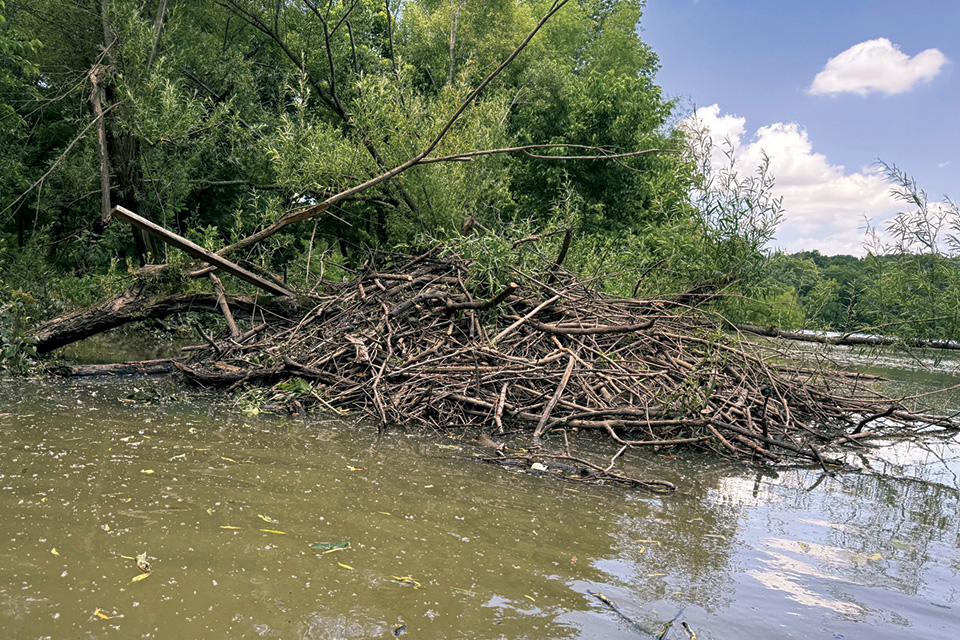
American beavers (Castor canadensis)
Once nearly hunted to extinction, the American beaver has made an incredible comeback in Ohio, with many found in the southeast. Unlike other keystone mammals, like wolves or alligators, beavers are not a keystone species because of what they hunt or eat, but rather because of what they build. Known for their dam building tendencies, beavers are capable of completely altering the environment in an area by halting, slowing or redirecting water flow from streams or ponds.
Beavers are crucial in maintaining Ohio’s natural balance, and their dam building abilities provide more than just a home for these large, semiaquatic rodents — their dams (and the wetlands that form as a result) provide habitats to plants and animals that otherwise would not be able to live in the area.
Their dams also help prevent erosion, improve water quality by filtering out contaminants and support riverside vegetation by refilling underground water reserves. As winter approaches, beavers become more active. They’re busy foraging and renovating their lodges and dams to ensure their families survive the cold winter months. If you spend time near the water in the coming months, especially around dawn and dusk, you may see one.
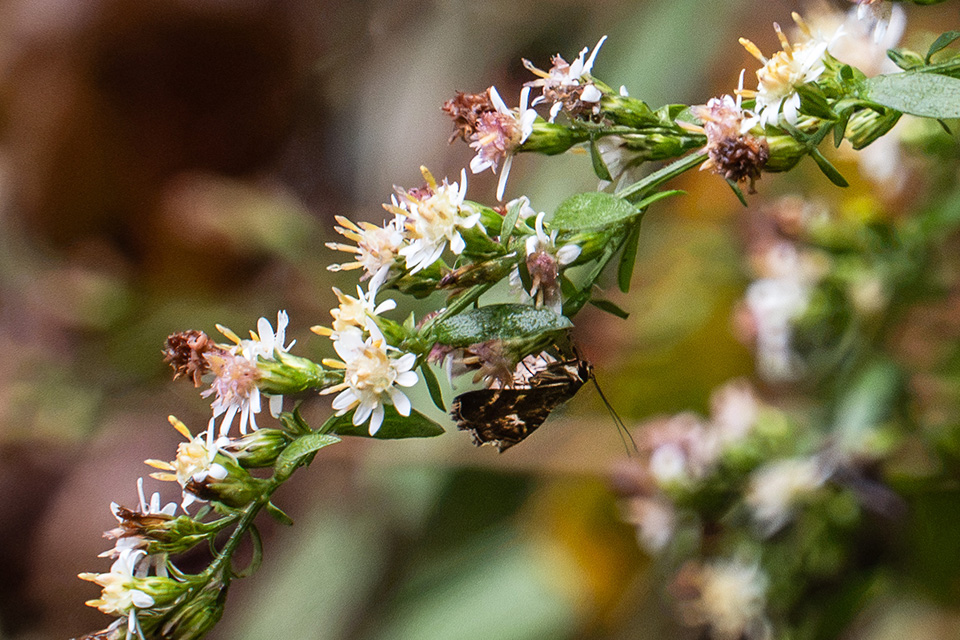
Asters (Symphyotrichum)
Venture outside in the fall and you’ll notice the bright pinks, purples, blues and greens of summer’s flora have come and gone, replaced by the reds, oranges and browns of fall foliage. However, you may also notice a few remaining pops of white, purple or pink, and these are likely asters.
The importance of aster flowers in the state’s ecosystem cannot be understated. Native to Ohio, asters bloom later than almost any other flower, providing a food source to nectar-seeking pollinators as they prepare for hibernation and help protect landscapes from invasive species. Additionally, asters are a host plant for 112 species of lepidoptera (winged insects) and roughly 500 species of specialist bees (bees that rely on nectar from a specific plant to survive).
“They tend to colonize areas that have been recently disturbed,” Giammarinaro says. “Being a native species and going to a recent disturbance, that’s going to fill a niche that might otherwise be filled by something invasive.”
Heading into the last few weeks of fall, asters will begin dropping their seeds, providing food to both migrating and resident birds as well as mice.
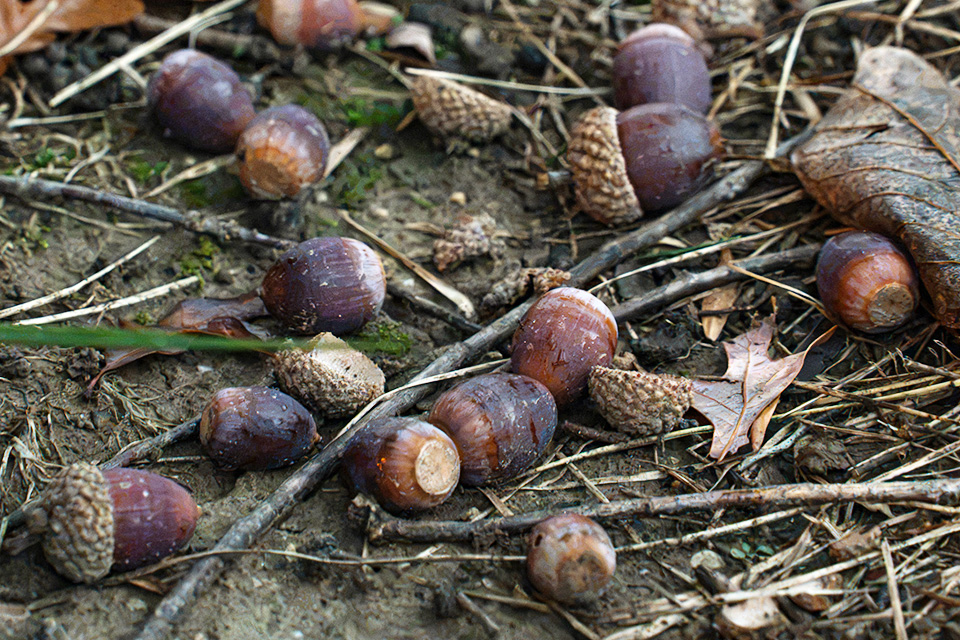
White oak trees (Quercus alba)
A sight of a towering oak tree is one to behold, and it’s not hard to come by in Ohio. Oak trees make up roughly 64% of our state’s total forestland. A host plant for somewhere between 500 and 1,000 lepidoptera, such as moths and butterflies, the white oak provides critical support to wildlife across Ohio and eastern America.
“[White oaks] are a crucial food source for a variety of wildlife,” Giammarinaro says. “Their acorns are these nutritional powerhouse nuts. They’re high in manganese, vitamin B6 and folate, and these vitamins, along with vitamin D, are very hard to come by in the winter.”
Interestingly, the acorns from white oak trees are different from those from other types of oak. Although the nutritional value is the same, white oak acorns contain less tannin, a compound found in plants, tree bark, leaves, stems and fruits that cause a bitter taste. As a result, they are sweeter and preferred by wildlife like the black bear. In fact, the endangered black bear prefers white oak acorns to such an extent that their reproductive success in Appalachia directly correlates with the tree’s acorn output.
“Animals don’t like the taste of tannin. Because the tannin [in white oak acorns] is lower, it makes the food more available,” Giammarinaro says.
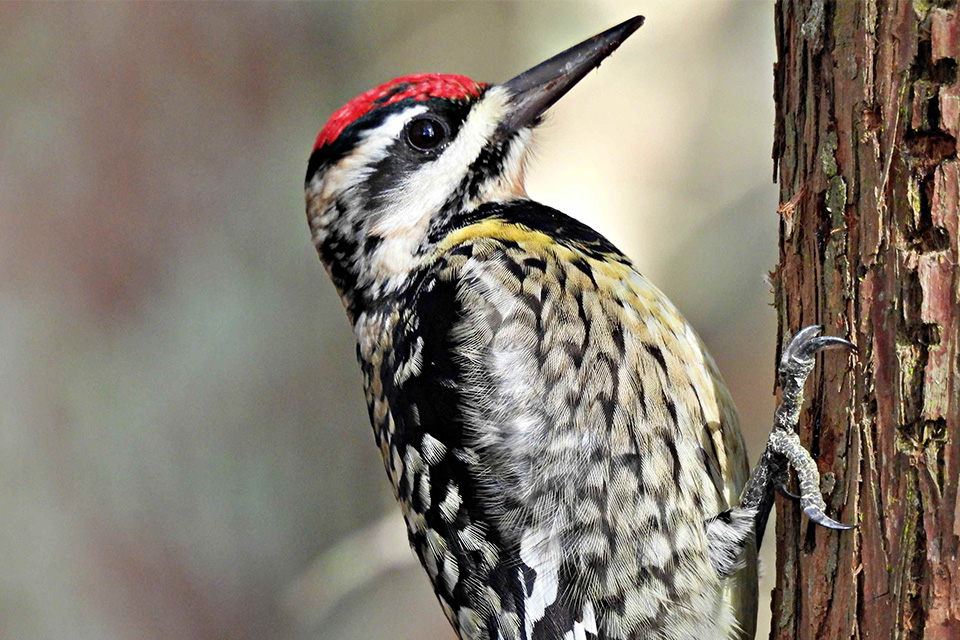
Yellow-bellied sapsuckers (Sphyrapicus varius)
Ohio is home to more than 20 species of woodpecker, with seven of those being native to the Buckeye state.
As temperatures drop, the sapsuckers begin to flock to Ohio, supporting much of the state’s wildlife. The sap wells they create provide a food source for insects, birds and forest-dwelling mammals like squirrels. This is especially important in the winter when certain resources for critters become scarce. T
“When woodpeckers, especially in Ohio, excavate a nest, they raise their young and then they leave,” Giammarinaro says. “That tree, of course, has the cavity in it forever but they never come back after they raise their young. That means it leaves this shelter for other wildlife to take over.”
Their favorite trees are maple and birch trees, so if you have these in your neighborhood or a nearby forest, you may have a chance at spotting one of these birds in action.
For more Ohio outdoor inspiration, sign up for our Ohio Magazine newsletters.
Ohio Magazine is available in a beautifully designed print issue that is published 7 times a year, along with Spring-Summer and Fall-Winter editions of LongWeekends magazine. Subscribe to Ohio Magazine and stay connected to beauty, adventure and fun across our state.
Related Articles

See Fall Foliage From the Skies on an Ohio Air Tour
Peak fall colors are approaching, so take to the skies to see changing leaves across the state. READ MORE >>

Where to Catch an Ohio Sunset This Fall
From a famous spot along Lake Erie to a much-loved overlook in the city of Lancaster, here are five locations across the state to take in the day’s end. READ MORE >>

Take a Fall Color Tour of Ohio
Autumn is the most beautiful time of year here, so we asked photographers across the state to share a favorite image of the season and the story behind it. READ MORE >>