

My Ohio: Kitchen-table Gardening
Seed catalogs inspire dreams of fresh-from-the-backyard bounty.

I grew up believing there was only one way to cook corn on the cob — roasted in the coals of a fire in the gravel driveway of my grandpa’s Knox County farm.
It was a bit of a shock the first time I saw corn boiled on a stove. Sorry to break the news, but you know that liquid gold left in the pot after boiling? That’s the flavor, friends. No, roasting is the way to go.
After gathering sticks and lighting the fire, we kids marched to the field’s edge with Grandpa, who loaded our outstretched arms with corn. Not sweet corn, mind you. Just field corn. Grandpa could always find the tender ears. By the time we got back to the fire, the flames had burned down and we laid the corn in the hot coals, husk and all.
After a few minutes of roasting, when the silks had burned off and the green ears were tinged golden brown, we removed them from the coals and gingerly pulled back the steaming husks to reveal the plump kernels. The husks cooled rapidly and made a convenient handle for little hands.
At this point, all that’s standing between you and heaven is a little butter — OK, a lot of butter — applied by peeling the wrapper from one end of the stick and gliding it generously over the corn.
We ate piece after piece until we were full, standing around the dying fire on a sultry July evening, as the first lightning bugs emerged in the dusky corners of the farmyard.
I don’t think I’ve ever tasted corn so good — minutes out of the field, seasoned with a hint of wood smoke and dripping with butter — but each year I plant sweet corn in my garden in hopes of conjuring up one of those perfect summer nights from childhood.
February may seem an odd month to be thinking about roasting corn, but it’s exactly the right time of year because it’s when you can do something about it besides daydream: You can order seeds.
This is the season for garden catalogs — their glossy pages filled with flawless fashion models of the vegetable world. Rich, red tomatoes glistening with dew, luscious peas, slender green beans, shapely cabbages, succulent spinach and the king of the backyard garden: sweet corn. I grab a cup of hot coffee and pore over the catalogs with a notepad and pencil, like an investor studying stock futures.
Before gardeners can buy the seeds to grow the corn, of course, someone has to grow the corn that provides the seeds. Schlessman Seed Co. near Milan has been producing farm and garden seeds on the shores of Lake Erie since 1915.
It’s one of the best spots on earth for growing things, says company president Daryl Deering. The lake creates its own microclimate, moderating the effect of drought years like 2012 and extending the growing season by providing frost protection in the fall.
“We produce hybrid seed right down to the beach,” Deering says.
Schlessman was founded in the sweet corn industry, but is also a leading producer of wheat, soybean, field corn and popcorn seed. In addition to supplying farmers in the United States, the company ships to South Africa, South America and Europe. Home gardeners will find Schlessman seeds inside packets with names they know well — Ferry-Morse, Burpee, Henry Field’s and Gurney’s — all grown in our own back yard, so to speak, here in Ohio.
There are three dozen kinds of sweet corn in the Schlessman repertoire, among them great names like Honey ’n’ Snow, Trucker’s Favorite and Country Gentleman. And, be still my heart, several varieties specifically for roasting. I think I may have found what I’m looking for.
Anyway, it’s something to dream about in February, as I sketch garden layouts and make out my seed order. Even if I can’t quite recreate the roasted corn I remember, a little butter will make everything right.
OK … a lot of butter.
John Gladden is an Ohio Magazine contributing editor based in Seville. His column collection, How to Elevate a Cow, is available from woosterbook.com.
Related Articles
.jpg?sfvrsn=fc2b738_5&w=960&auto=compress%2cformat "Native Garden (courtesy of Grange Insurance Audubon Center)")
Grow an Ohio Garden with the Native Plant Backyard Challenge
Make your outdoor space into a haven for birds, butterflies and pollinators this season by taking part in this National Audubon Society program. READ MORE >>
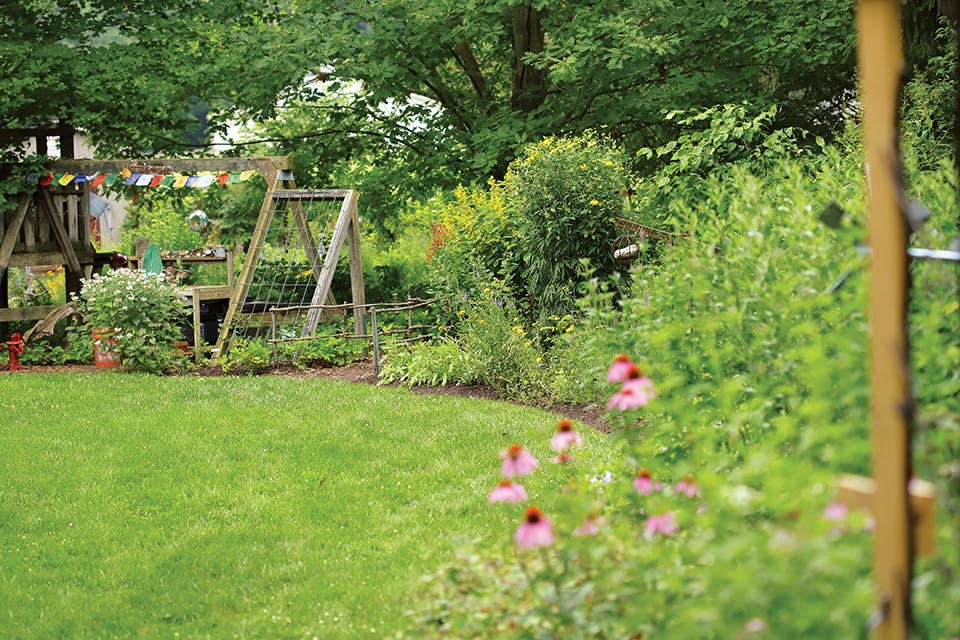
How to Plant a Native Ohio Garden
Terri and Randy Litchfield created a living landscape of native plants outside their Delaware home. Here’s how you can, too. READ MORE >>

Ohio Finds: Zoar Garden Notebook
This personal notebook chronicles the work of Simon Beuter, who cared for the German Separatists community’s expansive garden. READ MORE >>