






Printer Friendly VersionEmail A FriendAdd ThisIncrease Text SizeDecrease Text Size
May 2005 Issue

Call of the Wilds

The southeast Ohio conservation site adds a Birding Observation Station, a new walking trail and overnight accommodations for those who'd like to spend more time among the musk ox, rhinos and giraffes.
Jill Sell

<>When You Go . . .


The Wilds, 14000 International Rd., Cumberland, 740/638-5030. www.thewilds.org. Open Saturdays and Sundays in May, September and October; Wednesday through Sunday in June, July and August. Hours are

10 a.m.-4 p.m. Day tours include:

- Safari Tour (guided tour through open-range area): $14, seniors $13, kids 4-12 $9, under 4 free.

- Open-Air Safari Tour (guided tour via an open-air vehicle): $20.

- Extended Open-Air Safari (guided tour aboard an open-air vehicle through the open-range animal areas and to some of the animal management facilities): $30

- Sunset Safari Tour (buffet dinner, twilight tour of animal areas and stops at animal management facilities): $55

- Special Animal Management, group and special birding tours are also available. Price varies.

The Lodge may be rented for $500 per night for up to 12 guests on weekdays. The two-day minimum stay on weekends costs $1,000. Rental includes Safari Tour passes.


An ethereal mist swirls above Lodge Lake. The smooth face of the water breaks into rings as mallards fly in to greet the dawn after their nightly respite. It's 7 a.m. at the Wilds, a 10,000-acre nature conservation site located just west of Cumberland in Muskingum County. The 20-acre lake, one of the largest of the approximately 150 on the property, is coming alive with the sounds and sights of waking waterfowl.

Early-morning risers who stay overnight at the nearby Lodge can walk to the water's edge to view the avian activity, or watch from the dwelling's expansive screened-in porch overlooking the water. Patient guests may spot an American black duck, a blue-winged teal or a snow goose swimming through the cool, white haze, while black vultures roosting in nearby trees eyeball human visitors.

Unlike the musk ox and Przewalski's wild horses that live here, most of the waterfowl and other birds calling the Wilds home or using it as a migratory stop are not officially among the 25 species of imperiled animals that are managed in the semi-free-ranging habitats created by the nonprofit organization.

But the site has become a birder's paradise as well as an important facility for restoration ecology and conservation medicine. Projects that have gained worldwide attention include the testing of new cultivars of the American elm tree, which may be more resistant to the devastating Dutch elm disease; and research to prevent Indian rhino foot disease, a problem that affects many in captivity.

The Wilds was incorporated in 1986, and two years later received more than 9,000 acres as a gift from the Central Ohio Coal Co., a subsidiary of American Electric Power Co. It opened for public tours in 1994. Today the site is a combination of wetlands, grasslands and woodlands, and incredibly comprises almost 40 percent of zoo land in North America. The Wilds was not established to aid worldwide animal conservation. Initial public and private supporters felt that the creation of the Wilds would be a good way to supply Ohio zoos with animals and food (especially hay). But the dawning realization of the number of worldwide animals in jeopardy and the incredible size of the Wilds soon shifted the focus.

Wilds director Evan S. Blumer emphasizes that the facility focuses on conservation and not on exhibiting animals in a traditional zoo-like format. But he also recognizes that to establish continued support, the Wilds must be as visitor-friendly as possible without jeopardizing the health and well-being of the animals.

Hence the opening of the new Birding Observation Station this month, a joint effort of the Wilds, the Ohio Department of Natural Resources' Division of Wildlife and Audubon Ohio. Even if you're not a hard-core birder, it's worth the walk to the Observation Station. You'll feel like Mother Nature surveying her handiwork. The vantage point gives visitors a stunning panoramic view of several thousand acres of the area's grasslands. (Lucky birders will see the golden eagle that has returned here for a second year and osprey diving for fish from the lake below.)

The Wilds offers several tours for those wanting a daytime adventure. Don your safari gear and climb aboard a tour vehicle that travels over winding terrain. (Don't be surprised if a short-eared owl darts like a stunt pilot in front of the windshield.)

While passing the rhino compound, visitors can get an up-close-and-personal glimpse of any of the 14 greater one-horned and southern white rhinoceroses in their grassland pasture. Since its inception, the site has played a major role in international rhino conservation. The rhinos are "the flagship species of the Wilds," according to Wendy Wharff, the site's communications and community relations officer and former animal management staff member. Last fall, the Wilds saw its first rhino birth; on February 26, a male white rhino weighing 150 pounds came into the world here. During a tour, visitors may catch a glimpse of the young rhinos, looking like miniatures of their parents. Like most youngsters, they are curious and will sneak glances at visitors, but stay close to Mom.

Bring binoculars if you like, and use them on a tour to spot two new species to the Wilds - Tibetan blue sheep and sichuan takin (an Asian ox). Keep the camera ready to photograph the three subspecies of giraffes (including a baringo giraffe named Gerald, a BIG boy at 17 feet tall) as well as the goat-like central Chinese gorals. Visitors also won't want to miss the American bison swimming across a lake, shaggy heads above water and nostrils flaring.

Disembark from the tour vehicle and spend time in several new areas, located in the Wilds' African, Asian and North American habitats. Stretch your legs at the Wilds' new mile-long walking trail that brings banteng (Asian wild cattle) and Pere David's deer amazingly close. The adjacent outpost, a series of elevated connecting decks, puts visitors in mid-air with leaping antelopes.


The Wilds also provides opportunities to walk among flora and fauna, embrace the sun and inhale the sweet smells of nature. The recently completed 10-acre Ohio Butterfly Refuge is filled with milkweed, butterfly weed, purple coneflower, marsh mallow, swamp milkweed and other plants that attract the butterflies flourishing in the planned meadow. Visitors who take the loop trail through the refuge may come nose-to-wing with cabbage whites, eastern tailed blues, spicebush swallowtails, mourning cloaks, red admirals and other species.

All that walking and fresh air would make even Tarzan hungry. The Overlook Cafe in the visitors center offers an impressive selection of sandwiches and salads.

Guests who prefer an extended stay may rent The Lodge, which includes six rooms, each with twin beds and a private bath. Comfortable Mission-style furniture beckons guests to the great room with its two sitting areas, gas fireplace and table for 12. Forget television station access, but a DVD player is available. (Guests should be listening to the sounds of nature, not watching re-runs anyway.)

A large, contemporary kitchen sports every culinary utensil imaginable. But because it's a bring-your-own food arrangement, those who just rely on bags of potato chips for snackable sustenance may not need the grapefruit spoons. The laundry room is much appreciated. (What kid ever listened to stay-out-of-the mud instructions?)

Overnight guests have access to the private Lodge Lake, as well as to a canoe, rowboat, life jackets and basic fishing gear (fishing is catch and release). Landlubbers can hike secluded trails of varying difficulties or bring their mountain bikes for superb biking. (Bikers might have sped past a squirrel in a park before, but how about a fringe-eared oryx?) Visitors staying the night may also opt for upgraded private tours with an animal management specialist.

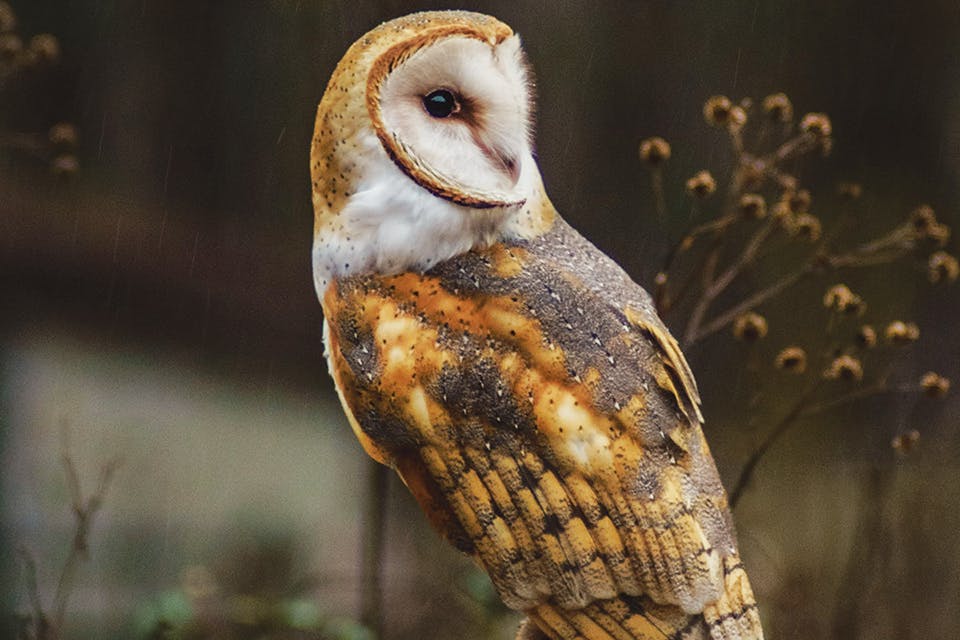
After a full day of hiking, fishing and observing Indo-chinese sika deer, guests might be up for nothing more than relaxing on the porch, listening to the haunting call of a barred owl. But what is that mysterious thrashing sound at water's edge? Whatever it is, it's pretty wild ...

 
Related Categories


Subscribe
COMMENTS
Be the first to leave a comment.
ADD YOUR COMMENT


Copyright © 2013 Ohio Magazine All rights reserved. | webmaster@ohiomagazine.com
1422 Euclid Avenue Ste. 730 Cleveland OH 44115